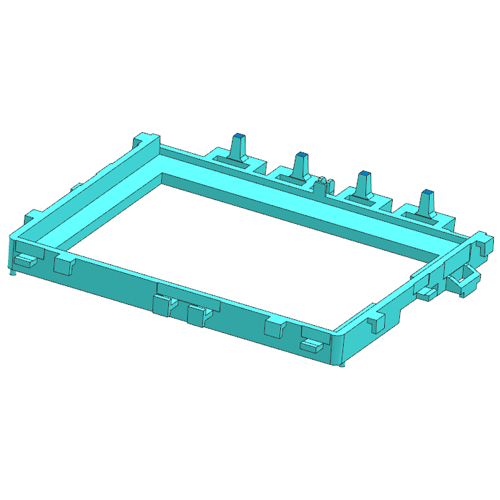
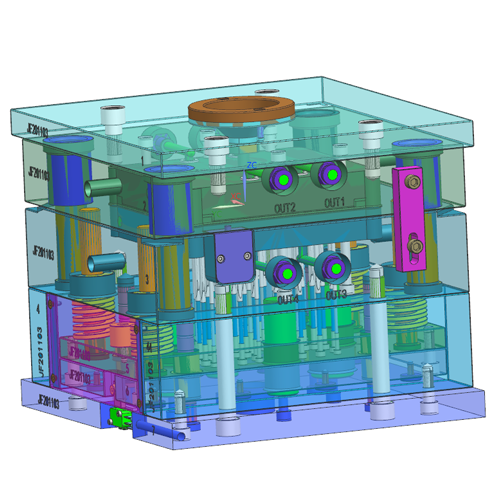
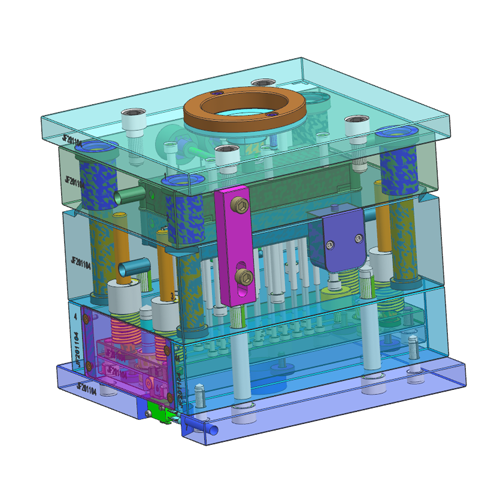
Mold Making
Production-Ready Injection Tooling for NPI Teams
We build injection molds with a simple goal: reduce iteration and stabilize production early.
Our approach is DFM-first (before steel cutting), maintenance-friendly by design, and engineered for repeatable output—not just “first samples”.
- Best for: NPI, tight tolerance, optical/cosmetic, insert, 2K/two-shot, multi-cavity
- Engineering response: initial feasibility / DFM notes within 24 hours
Product Detail (What We Actually Build)
Injection molds are not all the same. What matters is how the tool is engineered to control:
- Filling stability (gate strategy + balanced flow where needed)
- Thermal behavior (cooling layout that prevents warpage and cycle drift)
- Air management (venting design to avoid burns/short shots)
- Ejection stability (part protection + repeatable release)
- Serviceability (maintenance-first layout for faster troubleshooting)
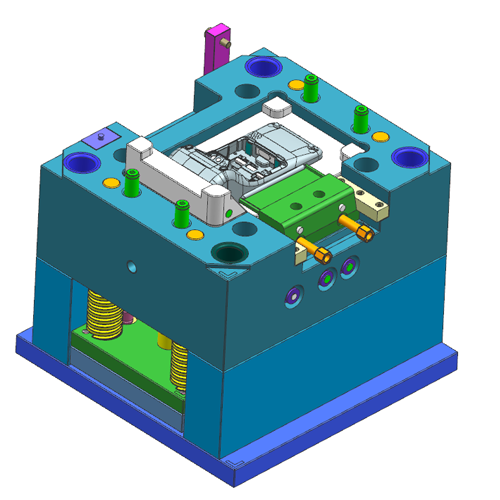
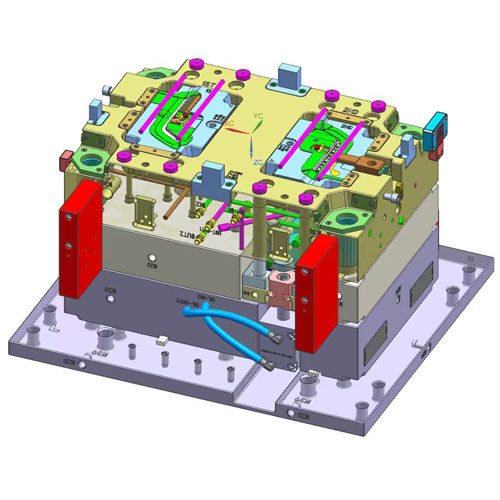
Typical mold systems we deliver:
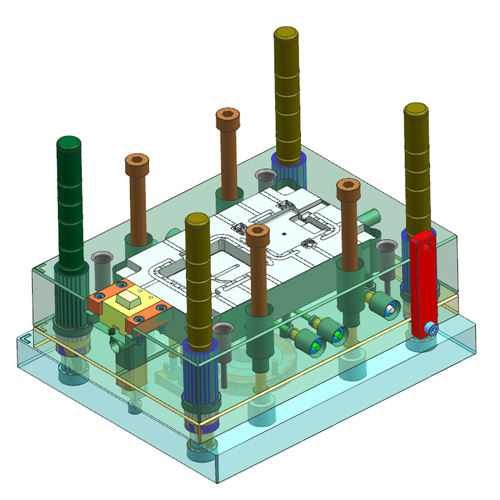
- Mold base + plates (support & alignment)
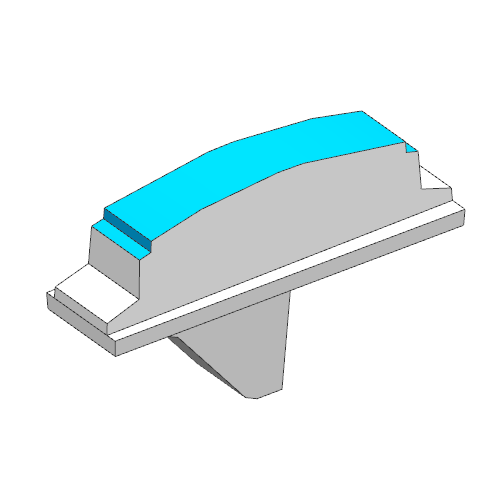
- Core/cavity inserts (critical fit control)
- Runner/gating (cold runner / hot runner as applicable)
- Cooling circuits (balanced layout and access logic)
- Ejection system (pins/sleeves/stripper; protection strategy)
- Wear/maintenance elements (where needed for longevity)
Features (Engineer-Focused Advantages)
- DFM Before Steel Cutting (Risk Front-Loading)
We flag problems early: sink/warpage, gas traps, weld lines, ejection marks, tolerance stack-ups, and CTQ stability.
- Precision Fit Control Where It Matters
Critical inserts and shutoffs are engineered for repeatable fit and flash control—especially for cosmetic and optical parts.
- Stable Production Mindset
Tooling is designed for repeatable output: cooling balance, venting logic, robust ejection, and consistent part release.
- Maintenance-First Tooling Logic
Service-friendly structure reduces downtime: organized cooling layout, clear access to wear items, and faster troubleshooting paths.
- Clear Engineering Communication
You get structured feedback and actionable next steps—not generic “OK to build” answers.
Application (Where This Matters Most)
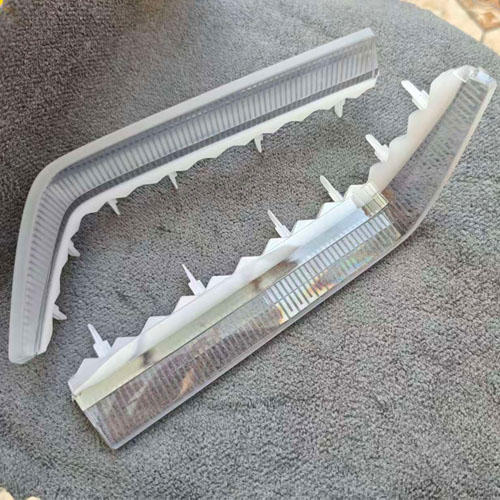
- Optical / Clear Parts (PC/PMMA): high-polish, stress control, cosmetic stability
- Cosmetic Housings / Enclosures: flash control, parting line stability, texture consistency
- Functional Structural Parts: rib management, CTQ control, robust ejection
- Insert Molding Tooling: reliable insert positioning + anti-shift strategies
- 2K / Two-Shot Tooling: bonding stability, cosmetic consistency, repeatable process windows
- Multi-Cavity / Thin-Wall Packaging: balanced fill + thermal stability for cycle consistency
24h Proactive DFM Checklist (Before Steel Cutting)
If your project is time-sensitive, this is where we save weeks.
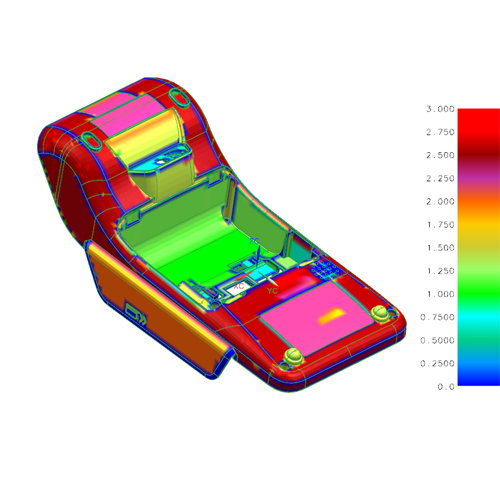
- Wall thickness consistency & fill balance
- Shrink/sink hotspots and countermeasures
- Warpage drivers (geometry + cooling direction)
- Gate location strategy & weld line control
- Venting plan to prevent gas traps/burns / short shots
- Ejection approach (part protection + mark control)
- Draft/undercut review (stuck-part risk)
- CTQ list + measurement plan (what to measure first)
Common Failure Modes & Countermeasures (Engineering View)
This is the practical checklist we use to keep molds stable during sampling and mass production.
1) Flash / Parting Line Issues
Typical causes: poor shutoff design, insert fit drift, uneven clamp support, wear at critical edges
Countermeasures: strengthen shutoff design, tighten fit control on critical inserts, add wear-resistant elements where needed, verify alignment strategy, define clear polishing/EDM boundaries
2) Gas Traps / Burn Marks / Short Shots
Typical causes: insufficient venting, poor gate direction, trapped air in deep ribs/bosses
Countermeasures: venting strategy early in design, optimized gate direction, added vent channels on risk areas, controlled injection parameters during trials
3) Sink Marks / Surface Read-Through
Typical causes: thick sections behind cosmetic surfaces, rib/boss design, packing limitations
Countermeasures: geometry optimization suggestions in DFM, gating/packing support, cooling balance improvements, localized insert strategy when necessary
4) Warpage / Dimensional Instability
Typical causes: unbalanced cooling, uneven wall thickness, fiber orientation effects, residual stress
Countermeasures: cooling layout optimization, DFM-driven geometry recommendations, controlled processing window, fixture strategy for evaluation when required
5) Ejection Marks / Stuck Parts / Damage During Release
Typical causes: insufficient draft, wrong ejection layout, fragile features, poor surface/texture match
Countermeasures: ejection concept review (pins/sleeves/stripper), part protection design, draft recommendations, texture and polish boundary planning
Tooling Design Options (What We Can Configure)
We select tooling options based on your resin, appearance target, cycle time, and lifetime goals.
Runner & Gating
- Cold runner / Hot runner selection (based on volume, resin, and cost target)
- Gate type options: edge gate, submarine gate, fan gate, pin gate (as applicable)
- Weld-line positioning strategy and flow balance approach
Cooling Strategy
- Balanced cooling layout to reduce warpage and cycle drift
- Practical cooling access design for maintenance and uptime
- The temperature control concept is aligned with the resin behavior
Venting Strategy
- Primary venting plan + additional vent features for deep ribs/bosses
- Burn mark prevention logic and gas escape paths
Ejection Strategy
- Ejector pins/sleeves/stripper solutions based on geometry and surface requirements
- Mark control strategy for cosmetic faces
- Part protection logic for thin-wall or fragile features
Insert / Modular Strategy (for Iteration Control)
- Modular inserts to isolate risk areas and speed up changes
- Insert positioning and anti-shift design for stability
Surface & Texture Planning
- Polish level options for cosmetic/optical requirements
- Texture boundaries planning to avoid mismatch and witness lines
Parameters (Typical Steel Options & Use)
| Typical Mold Life (Shots) | | |
|---|
| | Conventional plastics, general tooling | Cost-effective, good machinability |
| 500,000+ (up to 1,000,000 with HT) | Larger/complex molds, engineering plastics | Good hardness and thermal stability |
| 500,000+ (up to 1,000,000 with HT) | High-precision / cosmetic tooling | Pre-hardened, good surface quality potential |
| 500,000+ (up to 1,000,000 with HT) | Corrosion resistance + high-gloss/optical | Strong corrosion resistance, ideal for PC/PMMA |
Steel selection depends on resin, appearance requirements, expected volume, and lifecycle targets.
Surface Finish Options (What We Can Support)
Surface finish is chosen based on appearance, function, and resin behavior:
- High Polish — high-gloss cosmetic or optical clarity targets
- Matte Finish — reduced reflection, more forgiving appearance
- Texture Finish — etched/engraved patterns for design intent and tactile feel
- EDM Finish — controlled EDM texture in functional areas
- Blasting — uniform satin texture, hides minor imperfections
- Chemical Etching — complex patterns/logos and controlled textures
What You Will Receive (Deliverables)
Clear outputs that help you make decisions quickly:
- DFM summary + risk checklist
- Tooling concept direction (gating/cooling/ejection priorities)
- Timeline + sampling plan (T0/T1)
- CTQ focus list + inspection checkpoints
- Next-step plan for design freeze & tooling kick-off
Why Choose Us (No-Fluff Version)
- Fewer iterations: front-load DFM to reduce redesign loops
- More stable production: engineered cooling/venting/ejection logic
- Faster troubleshooting: maintenance-first layout for uptime
- Engineering response: clear feedback within 24 hours
Start a Free DFM Review
Send your 2D/3D files (STEP) or product photos with key dimensions.
We’ll respond within 24 hours with feasibility notes and next steps.